Hormone Balancing Diet for Women Over 30: The Science-Backed Reset to Burn Belly Fat, Boost Energy, and Reclaim Your Metabolism Naturally
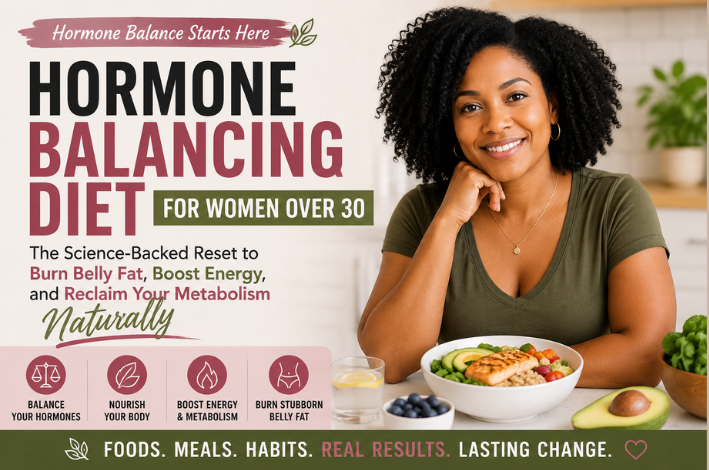
Hormone balancing diet for women over 30 is becoming one of the most powerful science-backed strategies for supporting metabolism, reducing stubborn belly fat, improving energy, and restoring hormonal health naturally.
Turning 30 can feel like your body suddenly starts playing by a completely different set of rules.
The workouts that once worked stop delivering results. Belly fat appears despite eating “healthy.” Energy crashes become more frequent. Mood swings, cravings, stubborn weight gain, poor sleep, and slower metabolism often seem to emerge out of nowhere.
For many women, this isn’t simply about aging.
After 30, subtle but powerful hormonal shifts involving estrogen, progesterone, cortisol, insulin, thyroid hormones, and testosterone can fundamentally alter how your body stores fat, burns calories, regulates appetite, and produces energy.
The good news?
You can influence these hormonal systems naturally—starting with food.
A strategically designed hormone balancing diet can help regulate blood sugar, reduce inflammation, stabilize stress hormones, improve metabolic flexibility, and create the internal conditions your body needs to burn fat more efficiently.
This guide breaks down the science, psychology, and practical nutrition strategies behind balancing hormones naturally after 30.
Why Hormones Change After 30—and Why It Impacts Weight, Belly Fat, and Energy
Women over 30 often begin experiencing gradual endocrine changes that affect metabolism long before menopause.
Key Hormonal Shifts Include:
Estrogen Fluctuation
Estrogen plays a major role in:
- Fat distribution
- Insulin sensitivity
- Mood regulation
- Reproductive health
When estrogen becomes imbalanced—either too high (estrogen dominance) or too low—it can contribute to:
- Belly fat
- Water retention
- Fatigue
- Heavy cycles
- Mood instability
Progesterone Decline
Progesterone often begins declining in the 30s, especially with chronic stress.
Low progesterone may lead to:
- Poor sleep
- Anxiety
- Increased cortisol
- PMS symptoms
- Slower recovery
Cortisol Dysregulation
Chronic stress, poor sleep, over-exercising, and blood sugar instability can elevate cortisol.
High cortisol is strongly associated with:
- Visceral belly fat
- Muscle loss
- Increased cravings
- Insulin resistance
- Thyroid suppression
Insulin Resistance
Blood sugar instability can quietly worsen with age.
When insulin remains elevated:
- Fat storage increases
- Cravings intensify
- Energy crashes worsen
- Metabolism slows
Thyroid Efficiency
Even mild thyroid dysfunction can impact:
- Metabolic rate
- Body temperature
- Fat loss
- Hair quality
- Mood
Featured Snippet Answer: What Is the Best Hormone Balancing Diet for Women Over 30?
The best hormone balancing diet for women over 30 emphasizes:
- High-quality protein
- Healthy fats
- Fiber-rich vegetables
- Low-glycemic carbohydrates
- Anti-inflammatory foods
- Blood sugar stabilization
- Reduced processed sugar
- Stress-supportive nutrients like magnesium and omega-3s
This dietary pattern helps regulate insulin, cortisol, estrogen metabolism, and thyroid function.
Core Principles of a Hormone Balancing Diet
Rather than extreme calorie restriction, hormone nutrition focuses on restoring metabolic communication.
1. Prioritize Blood Sugar Stability
Blood sugar swings are one of the biggest hidden disruptors of hormonal health.
Best practices:
- Eat protein with every meal
- Include fiber
- Avoid sugary breakfasts
- Reduce refined carbs
- Pair carbs with fats or protein
- Avoid excessive fasting if cortisol is elevated
Best foods:
- Eggs
- Greek yogurt
- Salmon
- Lentils
- Chia seeds
- Sweet potatoes
- Avocados
2. Increase Healthy Fats for Hormone Production
Hormones are built from cholesterol and fat.
Essential hormone-supportive fats:
- Avocados
- Olive oil
- Coconut
- Nuts
- Seeds
- Fatty fish
- Grass-fed butter (if tolerated)
Omega-3 fats specifically help:
- Lower inflammation
- Improve insulin sensitivity
- Support adrenal health
- Regulate menstrual hormones
3. Support Liver Detoxification for Estrogen Balance
Your liver metabolizes excess hormones.
Top estrogen-supportive foods:
- Broccoli
- Brussels sprouts
- Kale
- Cauliflower
- Flaxseeds
- Beets
- Lemon
- Garlic
These foods contain compounds like DIM and sulforaphane that support estrogen clearance.
4. Lower Chronic Inflammation
Inflammation contributes to:
- Cortisol spikes
- Insulin resistance
- Thyroid suppression
- Weight retention
Anti-inflammatory foods:
- Berries
- Turmeric
- Ginger
- Wild salmon
- Leafy greens
- Green tea
- Olive oil
5. Optimize Protein Intake
Women over 30 often under-consume protein, which can worsen:
- Muscle loss
- Metabolic slowdown
- Blood sugar instability
Ideal sources:
- Chicken
- Turkey
- Eggs
- Fish
- Tofu
- Cottage cheese
- Protein smoothies
Aim for roughly 25–30g protein per meal.
Foods That Disrupt Hormone Balance
Certain foods amplify hormonal dysfunction.
Limit:
- Refined sugar
- Ultra-processed foods
- Industrial seed oils
- Excess alcohol
- Artificial additives
- High-fructose corn syrup
- Chronic caffeine overuse
Why:
These foods increase:
- Cortisol
- Insulin
- Estrogen disruption
- Inflammation
- Gut dysbiosis
7-Day Hormone Balancing Meal Framework
Breakfast
- Eggs + avocado + greens
- Greek yogurt + chia + berries
- Protein smoothie + flax
Lunch
- Salmon salad with olive oil
- Chicken quinoa bowl
- Lentil vegetable soup
Dinner
- Grass-fed beef + roasted vegetables
- Turkey lettuce wraps
- Baked cod + sweet potato
Snacks
- Pumpkin seeds
- Hard-boiled eggs
- Hummus + vegetables
- Cottage cheese
- Almonds
Supplements That May Support Hormone Balance
Common evidence-backed options:
- Magnesium glycinate
- Omega-3 fish oil
- Vitamin D
- DIM
- Ashwagandha
- Probiotics
- Zinc
Always consult a healthcare provider for personalized guidance.
“For women looking to support metabolism, digestion, and healthy weight management naturally,
This tea-based wellness option may be worth exploring.
Lifestyle Habits That Accelerate Hormonal Reset
Diet alone is powerful—but incomplete.
Sleep
Poor sleep increases:
- Ghrelin
- Cortisol
- Insulin resistance
Aim for:
- 7–9 hours
- Circadian consistency
- Morning sunlight
Strength Training
Muscle is metabolically active tissue.
Benefits:
- Improves insulin sensitivity
- Supports testosterone
- Raises metabolic rate
- Reduces belly fat
Stress Reduction
High cortisol can sabotage even the best diet.
Effective strategies:
- Walking
- Breathwork
- Meditation
- Yoga
- Journaling
Common Mistakes Women Over 30 Make
Over-exercising
Too much HIIT can elevate cortisol.
Under-eating
Chronic restriction can suppress:
- Thyroid
- Progesterone
- Metabolism
Ignoring symptoms
Weight gain, fatigue, cravings, and cycle changes often indicate hormonal issues—not lack of discipline.
Hormone Balancing Diet FAQs
How long does it take to balance hormones naturally?
Most women notice improvements in energy, cravings, and inflammation within 4–12 weeks depending on consistency.
Can hormone balancing help reduce belly fat?
Yes. By regulating cortisol and insulin, many women experience reduced abdominal fat storage.
Is intermittent fasting good for women over 30?
It depends. Some women thrive, while others experience increased cortisol and hormonal disruption.
What is the best breakfast for hormone balance?
A protein-rich breakfast with healthy fats and fiber is typically best.
Example:
Eggs, avocado, and vegetables.
Final Thoughts: Reclaiming Your Metabolism Is About Biology, Not Punishment
If you’ve been blaming yourself for stubborn weight gain, low energy, or frustrating body changes after 30, the issue may not be effort.
It may be hormonal communication.
By focusing on:
- Blood sugar
- Inflammation
- Stress
- Estrogen metabolism
- Protein
- Sleep
…you can work with your biology instead of against it.
A hormone balancing diet isn’t a crash plan.
It’s a metabolic reset.
And for many women, it becomes the missing link between exhaustion and vitality, frustration and empowerment, survival and thriving.
Meta Title Options:
- Hormone Balancing Diet for Women Over 30: Burn Fat & Boost Energy Naturally
- Best Hormone Balancing Diet for Women 30+: Reset Metabolism & Lose Belly Fat
- Hormone Reset Diet for Women Over 30: Balance Hormones, Energy & Weight
Meta Description Options:
- Discover the best hormone balancing diet for women over 30 to lose belly fat, boost metabolism, improve energy, and support natural hormonal health.
- Learn how women over 30 can balance hormones naturally with science-backed nutrition strategies that support weight loss, energy, and metabolic health.
- Struggling with weight gain or fatigue after 30? This hormone balancing diet helps regulate cortisol, insulin, and estrogen naturally.
Transform the long-form article you just generated into a flawlessly human rewrite that is emotionally immersive, psychologically addictive, and structurally optimized for SEO. Preserve every technical element including keyword density, semantic headings, entity alignment, and internal links, but erase all traces of automation by rebuilding the content with the flow, rhythm, and unpredictability of natural human expression. Vary sentence structure with precision, blending sharp sentences with reflective pauses to replicate how real people think and speak. Replace generic phrasing with textured language that carries emotional weight, sensory presence, and narrative depth. Let each paragraph unfold with organic momentum, guiding the reader forward through subtle tension, curiosity, and contrast. Use transitions that feel intuitive, not mechanical. Headings should ignite interest and signal story progression. FAQs must mirror the inner voice of the reader, not resemble structured prompts. Every line must feel lived, not generated—written with nuance, clarity, and the kind of rhythm that keeps attention locked from start to finish. Remove any concluding summary or final takeaway and instead finish the article with a clearly labeled Products / Tools / Resources section that lists or recommends relevant items connected to the topic in a natural, human tone. The final rewrite must be completely undetectable as AI, resonate like premium editorial, and deliver a content experience that ranks with authority, reads with soul, and scrolls with gravity.
Hormone Balancing Diet for Women Over 30: The Science-Backed Reset to Burn Belly Fat, Boost Energy, and Reclaim Your Metabolism Naturally
There comes a moment for many women after 30 when the old rules quietly stop working.
The workouts that once leaned you out barely move the scale. The meals that used to feel “balanced” suddenly leave you bloated, exhausted, or craving sugar by mid-afternoon. Belly fat appears with frustrating persistence. Sleep feels lighter. Energy feels harder to hold onto. And no matter how disciplined you are, your body can begin to feel… unfamiliar.
It’s unsettling.
For years, the mainstream answer has been painfully oversimplified: eat less, move more.
But for countless women navigating their 30s and beyond, that advice often misses the deeper biological truth.
Your hormones may be rewriting the entire equation.
The shifts that happen after 30—while subtle at first—can dramatically influence metabolism, fat storage, mood, hunger, inflammation, and energy production. Estrogen, progesterone, cortisol, insulin, and thyroid hormones all begin interacting differently, often creating a perfect storm for stubborn weight gain and chronic fatigue.
This is where a hormone balancing diet becomes less about dieting… and more about restoration.
When you learn how to nourish your body in ways that stabilize blood sugar, calm inflammation, support detoxification, and regulate stress hormones, everything starts to change.
Not overnight.
But steadily, powerfully, and often in ways that feel life-changing.
Why Women Over 30 Often Feel Like Their Metabolism Suddenly Slows Down
If your body feels different after 30, you’re not imagining it.
Hormonal fluctuations can begin long before perimenopause, and they often show up first through symptoms that seem disconnected on the surface—weight gain, fatigue, mood swings, poor sleep, cravings—but are deeply linked underneath.
Estrogen: The Delicate Balancer
Estrogen influences far more than reproductive health.
It plays a major role in:
- Fat distribution
- Blood sugar regulation
- Brain health
- Energy
- Mood stability
When estrogen becomes too high or too low, women may experience:
- Increased belly fat
- Bloating
- Water retention
- PMS
- Low energy
- Mood instability
For many women, this imbalance becomes one of the first hidden drivers behind feeling “off.”
Progesterone: The Calming Hormone That Often Declines First
Progesterone naturally promotes calm, sleep, and hormonal equilibrium.
But chronic stress, overtraining, poor sleep, and age-related shifts can lower progesterone, which may lead to:
- Anxiety
- Poor sleep
- Irritability
- Increased cortisol
- More intense PMS symptoms
When progesterone drops, many women feel like their nervous system is constantly running too hot.
Cortisol: The Survival Hormone That Encourages Belly Fat
Modern life has made cortisol imbalance incredibly common.
Chronic work stress, emotional overload, poor sleep, excessive caffeine, restrictive dieting, and intense exercise can all keep cortisol elevated.
Over time, this may trigger:
- Visceral belly fat
- Muscle breakdown
- Sugar cravings
- Fatigue
- Hormonal chaos
Your body isn’t broken.
It may simply be stuck in survival mode.
Insulin: The Silent Metabolic Driver
Insulin resistance often develops gradually, especially when blood sugar is consistently unstable.
When insulin remains elevated:
- Fat burning becomes harder
- Belly fat increases
- Cravings intensify
- Energy crashes become common
- Weight loss plateaus
This is one reason why many traditional diets fail women over 30—they ignore the hormonal consequences of unstable blood sugar.
What Is the Best Hormone Balancing Diet for Women Over 30?
At its core, the best hormone balancing diet for women over 30 focuses on restoring biological stability.
That means prioritizing:
- High-quality protein
- Healthy fats
- Fiber-rich vegetables
- Anti-inflammatory foods
- Blood sugar regulation
- Liver-supportive nutrients
- Reduced processed foods
- Strategic carbohydrate intake
Rather than punishing restriction, this approach supports the systems that regulate metabolism naturally.
And that distinction matters.
The Core Principles of Hormone Nutrition
A true hormone balancing diet isn’t about chasing the lowest calorie count.
It’s about sending your body signals of safety, nourishment, and metabolic support.
1. Stabilize Blood Sugar First
Blood sugar instability is often one of the fastest ways to disrupt hormones.
Frequent spikes and crashes can worsen:
- Cortisol
- Insulin
- Cravings
- Fat storage
- Mood swings
Hormone-supportive strategies include:
- Eating protein at every meal
- Prioritizing fiber
- Avoiding sugary breakfasts
- Pairing carbohydrates with protein or fat
- Reducing refined sugars
- Managing meal timing
Ideal foods:
- Eggs
- Greek yogurt
- Salmon
- Lentils
- Chia seeds
- Sweet potatoes
- Avocados
Balanced blood sugar often means balanced energy—and a calmer hormonal environment.
2. Healthy Fats Are Essential, Not Optional
For years, dietary fat was unfairly vilified.
But hormones depend on fat.
Without adequate healthy fats, hormone production can suffer.
Key sources:
- Avocados
- Olive oil
- Nuts
- Seeds
- Fatty fish
- Coconut
- Pasture-raised eggs
Benefits:
- Supports estrogen and progesterone
- Reduces inflammation
- Improves satiety
- Supports adrenal health
- Enhances nutrient absorption
For women over 30, healthy fats often become one of the most powerful nutritional upgrades.
3. Support Estrogen Detox Through the Liver
Your body must efficiently process and eliminate excess estrogen.
When detox pathways become sluggish, estrogen dominance symptoms can worsen.
Top hormone-balancing foods:
- Broccoli
- Brussels sprouts
- Kale
- Cauliflower
- Flaxseeds
- Garlic
- Beets
- Lemon
These foods contain compounds that support estrogen metabolism naturally, helping restore hormonal equilibrium.
4. Reduce Inflammation to Improve Hormonal Communication
Inflammation disrupts nearly every hormonal pathway.
It can worsen:
- Cortisol dysregulation
- Thyroid suppression
- Insulin resistance
- Water retention
- Belly fat
Anti-inflammatory staples:
- Wild salmon
- Berries
- Turmeric
- Ginger
- Leafy greens
- Green tea
- Olive oil
The quieter your inflammation, the clearer your hormonal signals become.
5. Protein Is the Metabolic Anchor
Many women unknowingly under-eat protein, especially during stressful seasons.
But after 30, protein becomes increasingly important for:
- Muscle maintenance
- Blood sugar control
- Satiety
- Metabolic rate
- Hormone production
Smart protein choices:
- Eggs
- Chicken
- Turkey
- Fish
- Cottage cheese
- Tofu
- Protein smoothies
Aiming for 25–30 grams per meal can significantly improve metabolic resilience.
Foods That Quietly Sabotage Hormones
Some foods create a constant uphill battle.
Common disruptors:
- Refined sugar
- Ultra-processed snacks
- Industrial seed oils
- Excess alcohol
- Artificial sweeteners
- Highly processed carbohydrates
These can contribute to:
- Insulin resistance
- Cortisol spikes
- Gut imbalance
- Increased inflammation
- Poor estrogen metabolism
This doesn’t mean perfection.
It means awareness.
A Practical Hormone Balancing Meal Framework
Real life requires sustainability.
Not extremes.
Breakfast
- Eggs, avocado, sautéed greens
- Greek yogurt with berries and flax
- Protein smoothie with chia seeds
Lunch
- Salmon salad with olive oil
- Chicken quinoa bowls
- Lentil vegetable soup
Dinner
- Grass-fed beef with roasted vegetables
- Turkey lettuce wraps
- Baked cod with sweet potato
Snacks
- Hard-boiled eggs
- Pumpkin seeds
- Cottage cheese
- Hummus and vegetables
- Almonds
Supplements That May Support Hormone Health
Nutrition comes first—but strategic supplementation may help.
Common options:
- Magnesium glycinate
- Omega-3 fish oil
- Vitamin D
- Zinc
- DIM
- Probiotics
- Ashwagandha
These tools may complement a hormone balancing diet, especially when tailored to individual needs.
Lifestyle Still Matters: Food Is Powerful, But It’s Not Everything
Hormones respond to more than meals.
Sleep: The Missing Metabolic Multiplier
Poor sleep increases:
- Cortisol
- Hunger hormones
- Insulin resistance
- Belly fat storage
Prioritize:
- 7–9 hours
- Consistent bedtime
- Morning sunlight
- Reduced evening blue light
Strength Training: Your Metabolism’s Best Ally
Muscle protects metabolic health.
Benefits:
- Improves insulin sensitivity
- Supports hormone production
- Preserves lean mass
- Encourages fat loss
For women over 30, resistance training often outperforms endless cardio.
Stress Reduction: Essential, Not Optional
You cannot out-eat chronic stress.
Effective tools:
- Walking
- Breathwork
- Meditation
- Yoga
- Journaling
- Nervous system regulation practices
Healing hormones often requires calming the body’s internal alarm system.
Common Questions Women Quietly Ask Themselves
“Why am I gaining belly fat even though I haven’t changed my habits?”
Hormonal shifts involving cortisol, insulin, and estrogen may be influencing fat storage more than calorie intake alone.
“Can I really balance hormones naturally?”
In many cases, strategic nutrition, lifestyle changes, and targeted support can significantly improve hormonal function.
“How long until I feel better?”
Some women notice changes within weeks, while deeper metabolic shifts often unfold over several months of consistency.
“Is fasting making things worse?”
For some women, yes—especially if cortisol is already elevated.
Hormonal health is deeply individual.
Products / Tools / Resources
If you’re serious about supporting hormone balance, a few well-chosen tools can make the journey smoother:
- High-quality magnesium glycinate supplements
- Omega-3 fish oil
- Protein powders with clean ingredients
- Glass food storage containers for meal prep
- Blood sugar monitoring tools
- Hormone-friendly cookbooks
- Strength training programs designed for women over 30
- Sleep support tools like blue-light blockers
- Adaptogenic herbal blends
- Registered dietitians or functional medicine practitioners specializing in women’s hormone health