We ranked a post last year for a keyword with 30k monthly searches. Took about four months to climb from page four to position three. It’s still there.
That post wasn’t special. No viral promotion, no buying links, nothing clever. We just understood how to rank a blog post in Google in a way that – okay, this sounds arrogant, but it’s not – most guides get wrong. Or at least incomplete.
We’ve been building websites since ’99. Some of what worked back then still works. Most of it doesn’t. And the advice floating around online? A lot of it is either five years out of date or written by people who’ve never actually ranked anything competitive.
So. This is what we know.
The Keyword Obsession That Doesn’t Help Anymore
There’s this fixation on keyword density that won’t die. Stuff your focus keyword in every paragraph, hit some magic percentage, watch the rankings roll in.
That was 2012. Google figured that out ages ago.
What we’ve found – and look, I can’t prove this with a study, just with posts that ranked versus posts that didn’t – is that natural writing wins. When you’re genuinely explaining “how to rank a blog post in Google”, you end up mentioning related stuff anyway. Search intent. Backlinks. User experience. Content depth. Google picks up on the context now. It’s not counting keywords like some checkbox.
The posts that tanked for us? Usually the ones where we went back and shoehorned the keyword in after writing. You can feel it when you read them. Stilted. Robotic. Google can feel it too, apparently.
Stop counting keyword mentions. Start asking whether your post actually answers what someone typed into that search bar. That shift made more difference for us than any plugin or tool.
Nobody Wants to Talk About Domain Authority
Okay, uncomfortable thing coming.
If you’re launching a brand new blog on a brand new domain, you’re climbing uphill with weights on. Google doesn’t know you. No authority built up. No history. No trust signals.
You could write the most comprehensive, useful, beautifully formatted post on your topic – and it might sit on page five for a year. Maybe longer. We’ve watched it happen to people who did everything right. They put in real effort, followed all the advice, and… nothing. For months.
That’s not a failure on their part. The game is just stacked toward established domains.
This is actually why we built Badass Network the way we did. When your content lives on a domain that already has authority, you skip the worst part of the grind. Same principle as publishing on Medium or LinkedIn – except you own your space and build equity in something that’s yours.
Can you build domain authority from scratch? Yeah. We did it. Took years though. If you’ve got that kind of patience, go for it. If you want to see whether your content can actually rank while you’re still motivated to write it, there are smarter starting points.
What We’ve Seen Actually Move the Needle
Let me just list what’s worked. Not theory – stuff we’ve tested or watched work for people in the network.
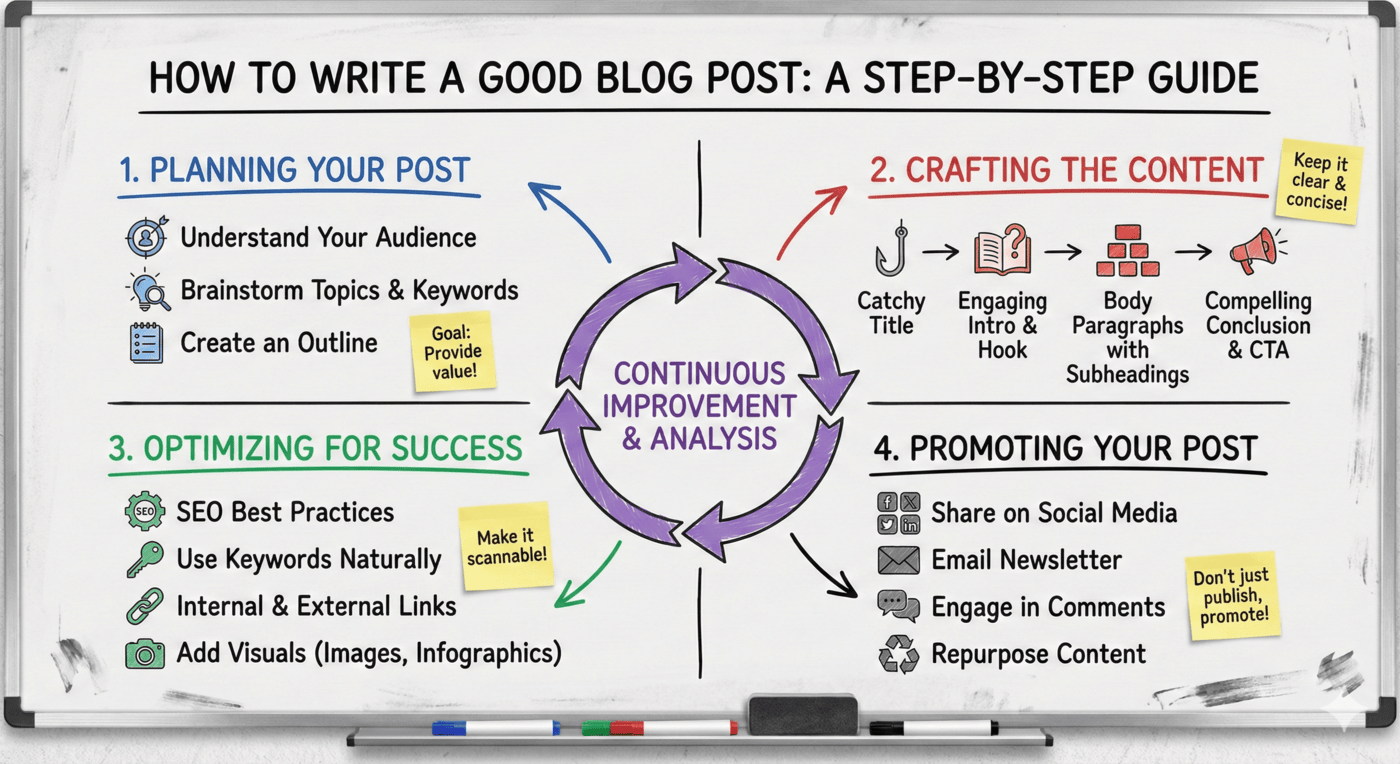
Match what Google already rewards. Before writing anything, search your target keyword. Look at the top three results. Are they how-to guides? Listicles? Long-form deep dives? That tells you what Google thinks people want. Match that format or don’t bother competing.
Go deeper than whoever’s ranking. Look at what the top results miss. Questions they don’t answer. Angles they skip. That gap is your opportunity. We’ve outranked bigger sites just by being more thorough on one subtopic they glossed over.
Make it scannable but not choppy. Headers help. Short paragraphs help. But don’t go overboard – I’ve seen posts that read like a PowerPoint deck. Skimmable doesn’t mean fragmented. People still need to follow a thought.
Link out. Link internally. Outbound links to credible sources – Moz’s SEO guides are solid if you want more technical depth – show you’ve done homework. Internal links help Google understand your site structure and keep people clicking around. Both matter. [link to: “domain-authority-explained”]
Speed and mobile aren’t optional anymore. If your site takes forever to load or breaks on phones, you’re already losing. This used to be a nice-to-have. Now it’s table stakes.
Playing the Long Game (But Not the Dumb Way)
Ranking takes time. No way around it.
Even when you do everything right, most posts need a few months to settle. Google wants to see that your content sticks, that people engage with it, that it earns links organically. Patience is part of the deal.
But – and this is where a lot of people get stuck – patience doesn’t mean grinding alone from zero for years before seeing any traction.
When you’re publishing on a domain with established authority, the waiting period shrinks. Your content still has to be good. There’s no shortcut for that part. But you’re not starting from nothing. You’re starting from a foundation that already has some trust built in.
The people we’ve seen break through aren’t always the ones working hardest. They’re the ones who set up the conditions for their content to actually get seen. That’s not cheating. That’s just… being strategic about where you put your energy.
Where This Leaves You
Learning how to rank blog post in Google is part technical, part craft, part foundation. The on-page stuff matters. Content quality matters. But what you’re building on matters too – maybe more than either of those.
If you’re tired of writing into the void, wondering why nothing ranks, it might not be your content. It might be the domain.
Anyway. That’s why Badass Network exists. Shared domain authority, no tech headaches, you focus on writing. If that sounds useful, take a look.