We woke up this morning to some news that made us spit out our coffee.
Meta is testing a Facebook link limit that restricts professional accounts and pages to just two link posts per month. Two. Unless you pay for Meta Verified at €14.99/month, you’re basically locked out of sharing links to your blog, your offers, your anything.
This isn’t a rumour floating around some Facebook group. TechCrunch confirmed it directly with Meta yesterday. The test is already rolling out to some accounts using professional mode and Facebook pages.
Look, we’ve been saying for years that relying on social media is risky. But even we didn’t expect them to literally put a padlock on your ability to share links. The Facebook link posting limit feels like the final straw for a lot of marketers who’ve been watching their organic reach decline for years.
But here’s where it gets interesting – and potentially useful for those willing to adapt.
Table of Contents
What’s Actually Happening (And What Still Works)
Let’s break down what we know so far.
The limit applies to posts containing external links. That means links to your blog, your landing pages, your YouTube videos – anything that takes people off Facebook. Meta confirmed to TechCrunch that this is a “limited test” to see if unlimited link posting adds value for their paid subscribers.
Translation? They want you to pay.
But – and this is important – there are exceptions. According to the screenshots floating around from affected accounts, you can still post:
- Links in comments (not just posts)
- Links to other Meta platforms (Instagram, WhatsApp, Facebook posts)
- Affiliate links (weirdly, these seem exempt)
That last one caught our attention. We’re not entirely sure why affiliate links get a pass, but it suggests Meta’s algorithm treats them differently than standard URLs. Maybe because they’re trackable? Who knows.
The point is: the Facebook link limit doesn’t mean links are dead. It means the game is changing. Again.
Why This facebook link limit Was Probably Inevitable
Quick tangent, but it matters.
Meta’s own transparency report shows that over 98% of views in the US feed come from posts without links. Ninety-eight percent. Posts with external links have been getting crushed by the algorithm for years now.
So in a twisted way, this new limit is just Meta being honest about what was already happening. They were suppressing your link posts anyway – now they’re just formalising it and asking you to pay if you want the old rules back.
This is the social media trap we keep warning people about. You build an audience on someone else’s platform, play by their rules, then they change those rules overnight. And you have zero say in it.
Anyway. Rant over. Let’s talk solutions.
The First Comment Trick (Meta Actually Recommends This)
Here’s something wild: Meta themselves have started advising page managers to put links in the first comment instead of the post body.
This isn’t some hack we discovered. Multiple users have reported seeing this recommendation directly from Facebook when creating posts. The algorithm apparently treats a post with a link differently than a post followed by a comment containing a link.
So here’s how to use this:
- Create your post with an image or video – no link in the text
- Write compelling content that makes people want to click
- Immediately drop your link in the first comment
- Pin that comment so it stays visible
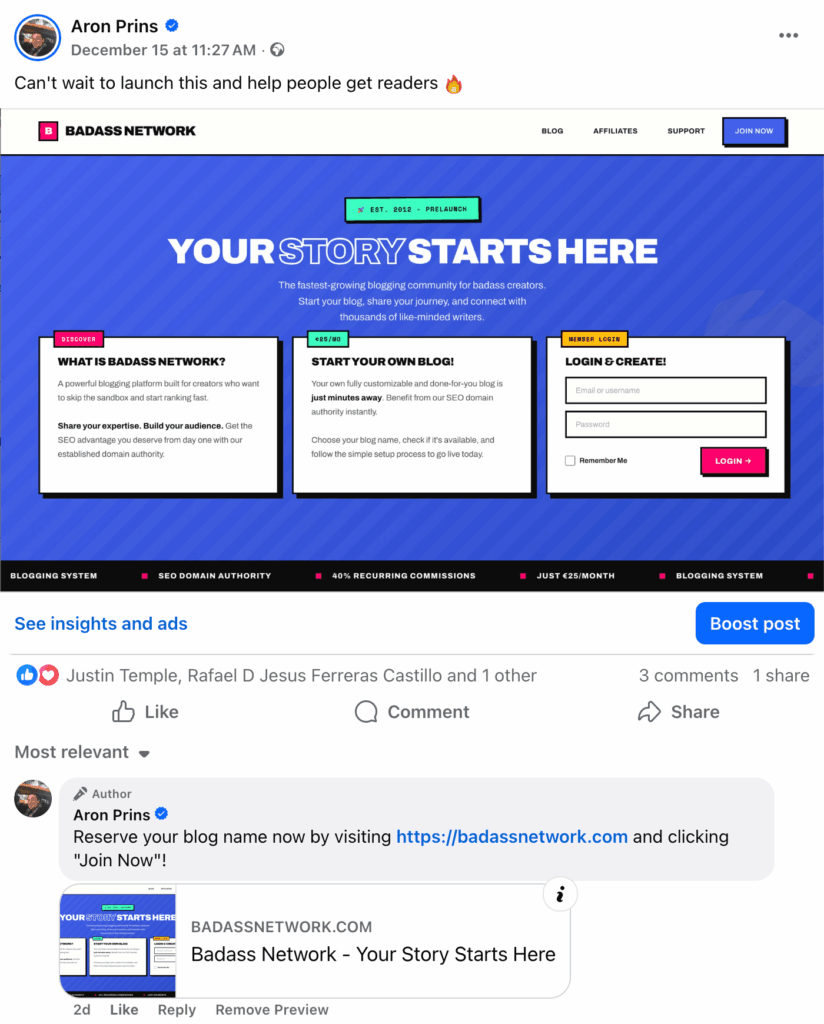
Some scheduling tools like Buffer and others now let you schedule first comments automatically. Worth looking into if you’re posting regularly.
Does this feel like jumping through hoops? Absolutely. But posts without links in the body get around 18% higher engagement and 25% more impressions according to various studies. So the workaround might actually perform better anyway.
The “Comment Below” Strategy That’s Blowing Up
We’ve been seeing this more and more from smart affiliates and content creators.
Instead of posting a link at all, they post valuable content – an insight, a tip, a bold statement – and end with “Comment LINK below and I’ll send it to you” or “Drop a 🔥 and I’ll DM you the resource.”
Sounds extra, right? But think about what’s happening:
- Every comment boosts your post in the algorithm
- You’re building a list of genuinely interested people
- You can follow up via DM and start actual conversations
- Facebook loves engagement, so your reach increases
One marketer we follow tested this last month. Same content, same audience. The “comment for link” post got 4x the reach of the direct link post. We can’t guarantee you’ll see the same results, but the logic is sound.
The Facebook link posting limit might actually push more people toward this strategy. Which could be a good thing for engagement overall – even if it’s more work.
Real Talk: Why You Need Traffic You Actually Own
Okay, we have to say it.
If this whole situation frustrates you, good. Use that frustration.
Social platforms will keep doing this. They’ll keep changing the rules, suppressing organic reach, and nudging you toward paid options. That’s their business model. And it’s not going to stop.
The only real solution – the long-term one – is building traffic sources you actually control.
That means a blog on a blog you own. An email list you can export and take anywhere. SEO traffic that comes from Google searches, not algorithmic whims. Content that ranks and brings visitors for years, not hours.
We talk about this constantly because we’ve seen what happens when people build their entire business on rented land. Algorithm change, reach tanks, income disappears. It happens fast.
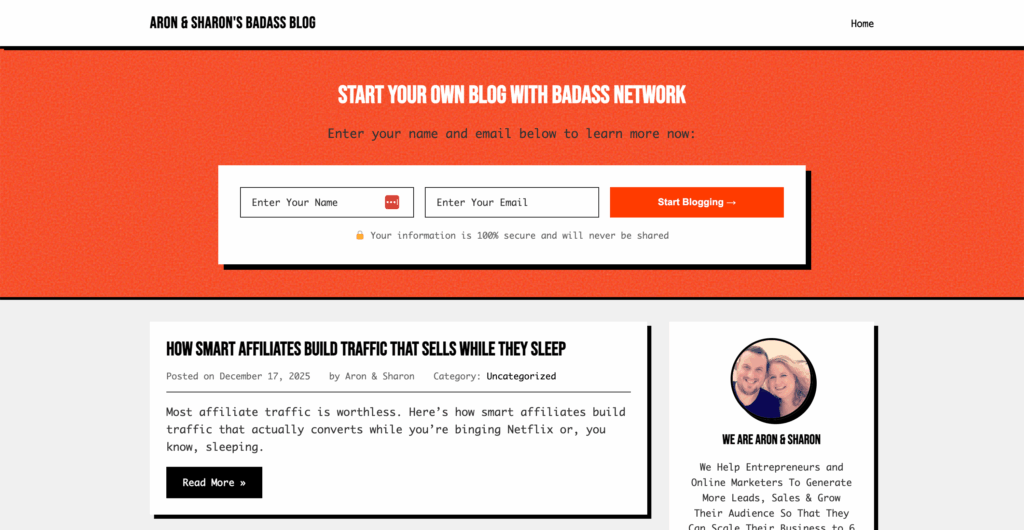
The Badass Network exists partly because of this exact problem. We wanted to give bloggers a way to start with built-in SEO advantages instead of spending two years building domain authority from scratch. But regardless of where you blog, the principle is the same: own your traffic.
What To Do This Week
Enough philosophy. Here’s what we’d actually do if we woke up tomorrow with a two-link limit on our page:
First, check if you’re even affected. Not everyone is in this test yet. Post a link and see what happens.
Second, start practising the first-comment approach now – even if you’re not limited. It performs better anyway, and you’ll be ready if the limit rolls out wider.
Third, experiment with engagement-first content. Post something valuable without any link. See what kind of reach you get. Train your audience to look for links in your comments or to engage for resources.
Fourth – and this is the big one – start taking your blog seriously if you haven’t already. Every hour you spend creating content for Facebook is an hour you could spend building something you own. Something that compounds over time instead of disappearing after 24 hours.
The Facebook link limit is annoying. We get it. But it’s also a wake-up call that a lot of marketers probably needed.
Adapt. Build. Own your platform.
That’s how you thrive – regardless of what Meta decides to do next.
Building your blog alongside a community makes the whole process faster (and less lonely). If you’re curious about how the Badass Network helps bloggers get started with built-in SEO advantages, learn more about our blogging platform here.